I believe deeply in recovery. I have spent years working alongside people who use drugs, people in recovery, families who have lost loved ones, clinicians, peer support specialists, harm reductionists, and advocates devoted to keeping people alive and helping them find a path forward.
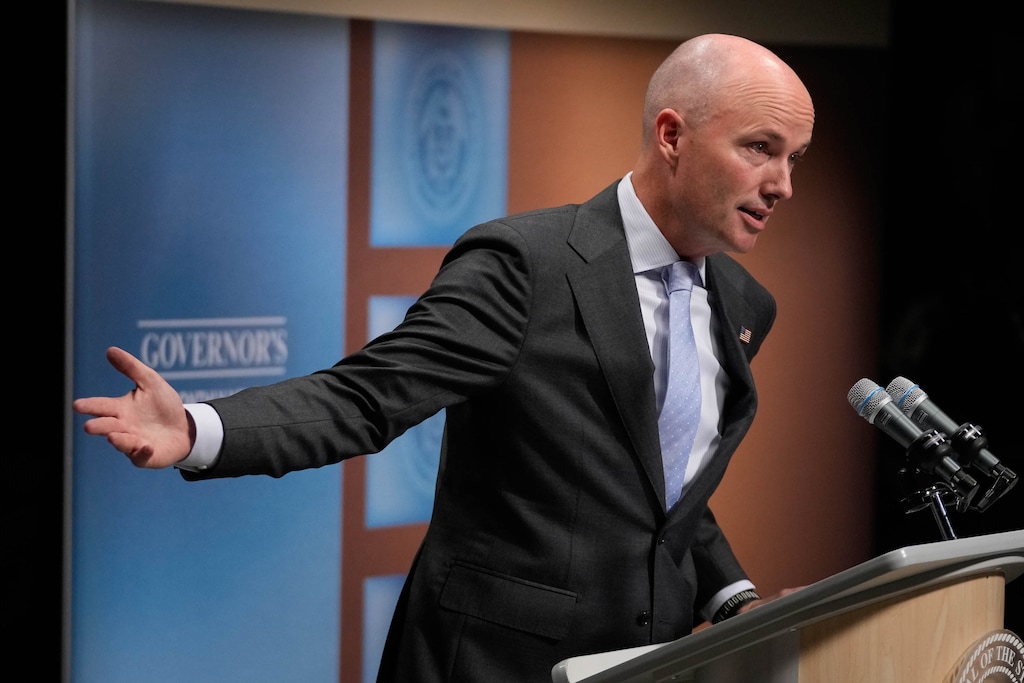
And yes, I am frustrated by the “Recovery Utah Initiative” announced Sept. 21.
This work did not suddenly arrive in Utah with an executive order. People across our state have spent decades building programs, fighting stigma, reversing overdoses, providing treatment, supporting families, and walking beside individuals navigating homelessness, serious mental illness, substance use, and recovery. Those people should be helping lead this work. Instead, too many of the champions, clinicians, and warriors who have spent lifetimes doing so were included in ways that felt more decorative than meaningful.
I am also deeply troubled by the use of the word accountability. A colleague with lived experience put it in a way that has stayed with me: there is a difference between accountability someone takes on themselves because they are ready to make a change and “accountability” imposed from the outside through pressure or withheld support. The latter can quickly become punishment dressed up in a more acceptable word. We cannot punish people into recovery or wellness. Our response should be grounded in evidence, compassion, experience, and respect for individual autonomy.
I support better coordination, easier access to treatment and wraparound services, and meaningful investments in recovery. I want those things desperately. But I do not want decades of work and expertise repackaged into a political initiative while the people who know this work are pushed to the edges.
Recovery should never be political. Listen to the people doing this work. Listen to people with lived and living experience. Follow the evidence.
The stakes are simply too high to do otherwise.
Jennifer Plumb, Utah Senate, District 9