In 1996, I flew from rural Utah to Washington, D.C., believing that if I could explain what the desert meant to me, someone in Congress might listen.
I wasn’t a professional lobbyist. I was just a kid from Sanpete County who loved southern Utah’s red rock country — the slickrock, junipers, ravens, and wandering through narrow canyons.
I met with some senators and representatives, mostly their staff, asking them to protect wilderness. More than one smiled politely and told me I couldn’t really be from rural Utah. If I were, they said, I’d know everyone back home wanted more mining, more drilling, and fewer protections. I understood where they were coming from. Friends from my high school worked in coal mines. But I also knew many of us loved those landscapes for reasons that had nothing to do with politics.
That trip inspired a song my band recorded about politicians trying to “shrink all the wilderness and ruin the desert for money.” I was young. I was angry. But I wasn’t wrong about loving the desert.
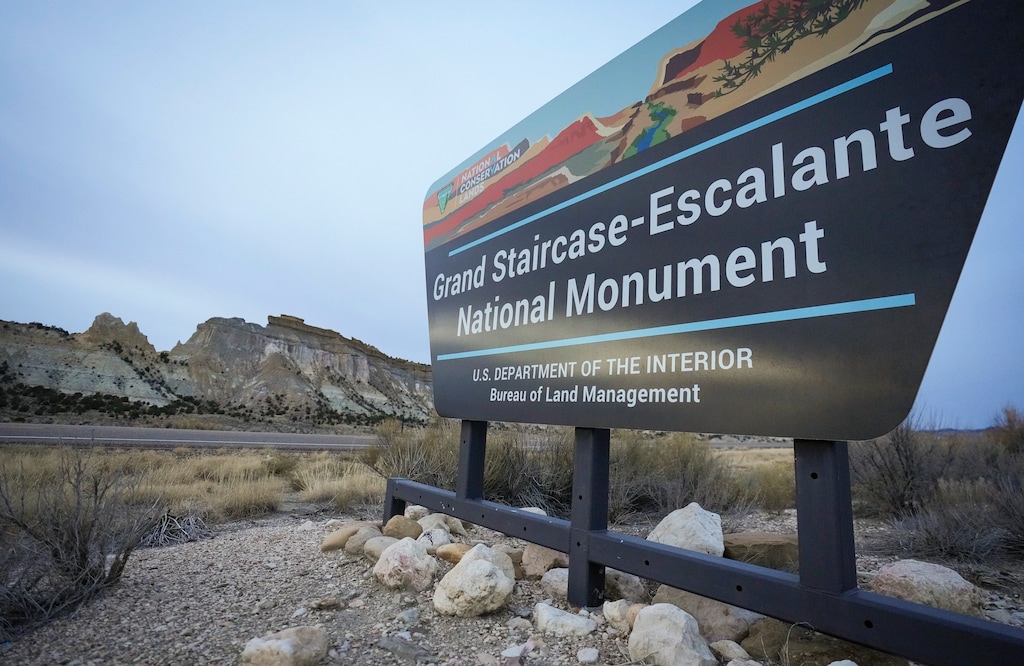
That same year, President Clinton created Grand Staircase–Escalante National Monument. I appreciated the protection, but I also understood why many Utahns resented how it happened. It felt like Washington had spoken to us instead of with us. Since then, presidents have expanded the monument, shrunk it, and expanded it again. The boundaries have become a political pendulum.
But the cottonwoods along the Escalante, the canyon wrens, and the ancient rock art don’t know who’s president. Once roads are cut, land is mined, or archaeological sites are destroyed, those losses are permanent.
Public lands belong to all of us — hunters, hikers, ranchers, anglers, climbers, Native nations, scientists, artists, families and future generations. Protecting wilderness isn’t about keeping people out. It’s about ensuring there is still something wild left to experience.
Today I have two children. More than winning a political argument, I want them to wander these canyons someday and feel what I felt as a kid: that some places are sacred simply because we had the wisdom to leave them alone.
The older I get, the more conservative I become about wilderness — not politically, but in the truest sense of the word. Because once these places are gone, we can never truly bring them back.
Alex Peterson, Ephraim