The Rio Grande Depot. Fort Douglas. The Forest Service Building in Ogden. Nine Mile Canyon. These places remain part of Utah’s communities because federal law required decision-makers to consider their historical significance before moving forward with a project that could affect them.
As leaders of Preservation Utah and the Utah Professional Archaeological Council, we have spent our careers helping communities protect the places that tell Utah’s story. Today, a little known federal process that has helped preserve those places for decades is facing the most significant changes in its history. Utahns should pay attention and speak up because proposed revisions could cause harm to historical buildings, archaeological sites, cultural landscapes and Tribal resources across the state.
Most Utahns have never heard of Section 106 of the National Historic Preservation Act. Yet for nearly 60 years, it has quietly helped communities across the country identify historic places, recognize Tribal concerns, avoid unnecessary conflicts and make better decisions about projects that affect our shared heritage. This process has brought together federal agencies, Tribal Nations, state historic preservation offices, local governments, applicants, preservation organizations and members of the public.
The Advisory Council on Historic Preservation recently approved sweeping revisions to the regulations that guide Section 106 review. Preservation organizations, Tribes, archaeologists, community groups and many professionals worry these changes could fundamentally alter how Utah’s cultural resources are considered during federal decision-making.
Section 106 is not a veto power. It does not automatically stop projects. It does not require every archaeological site or historic building to be preserved. At its core, Section 106 is a conversation. And conversations often lead to better outcomes.
Utahns have benefited from this process for decades. Section 106 helped preserve places such as Ogden’s Forest Service Building, historic buildings at Fort Douglas and portions of Salt Lake City’s Rio Grande Depot and Warehouse District while still allowing projects and property transfers to move forward. Section 106 not only led to the preservation of these buildings, but it also established programs such as long-term preservation accountability, restoration and revitalization efforts, ensuring lasting public benefits. These examples demonstrate that preservation and progress are not competing goals.
Section 106 has also helped identify archaeological sites and culturally significant places that might otherwise be overlooked during planning. In Utah and across the West, archaeological survey and consultation have led to redesigns, avoidance of sensitive areas, and opportunities for Tribal Nations to share information absent from maps, databases or reports.
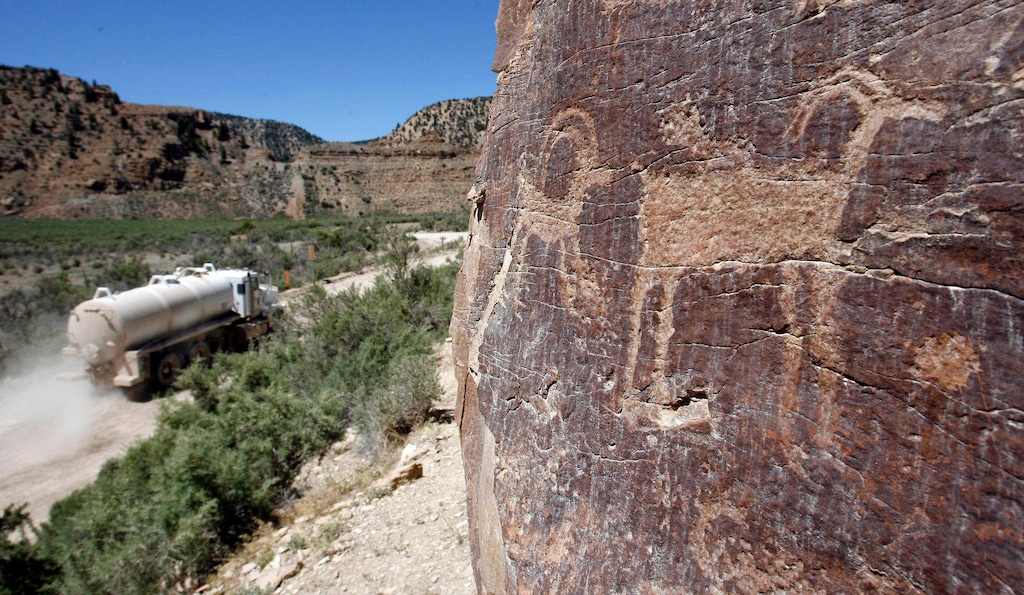
One of Utah’s best examples is Nine Mile Canyon, often called the world’s longest art gallery for its thousands of rock imagery panels and archaeological sites. When a large natural gas development was proposed nearby, concerns arose about increased traffic, dust and impacts. Through the Section 106 process, Tribes, archaeologists, local governments, industry and preservation organizations developed solutions that protected the canyon’s irreplaceable cultural heritage while allowing the energy project to move forward. The result became a nationally recognized example of preservation and development coexisting when all voices have a seat at the table.
None of the above preservation efforts blocked project progress. Every project moved forward. Section 106 simply ensured they moved forward in a way that did not thoughtlessly erase Utah’s history. That is the whole point, and it is exactly what the proposed changes would take away.
The proposed changes could reduce opportunities for consultation, limit public participation, narrow consideration of historic and cultural resources, and expand exemptions from review. We worry these changes will result in less consideration for our shared heritage for federal projects. While supporters argue the changes will streamline project delivery, efficiency should not come at the expense of informed decision-making.
These conversations are especially important when places hold cultural significance that may not be obvious from what can be seen. Many traditional cultural places, sacred landscapes and heritage resources cannot be understood solely through physical remains alone. Their significance comes from cultural connection, collective memory and ongoing use. Proposed revisions that narrow how historic places are defined have generated concern among preservation professionals and Tribes because of the potential implications for these resources.
Utah has shown there is a better path. Our state completes the vast majority of Section 106 reviews in a week or less, proof that the answer to any real inefficiency is smart investment in the process, not dismantling it.
The buildings, archaeological sites, cultural landscapes and places of significance to Tribal Nations protected through Section 106 are not abstractions. They are part of our communities’ story. They are places you can visit this weekend. Utahns should insist on a process that keeps them part of our future.
(Brandy Strand) Brandy Strand is the executive director of Preservation Utah.
Brandy Strand is the executive director of Preservation Utah.
(Tina Hart) Tina Hart is the president of the Utah Professional Archaeological Council.
Tina Hart is the president of the Utah Professional Archaeological Council.
The Salt Lake Tribune is committed to creating a space where Utahns can share ideas, perspectives and solutions that move our state forward. We rely on your insight to do this. Find out how to share your opinion here, and email us at voices@sltrib.com.