When my brother considered taking Suboxone, a medication used to treat opioid use disorder, I asked him why he would get off one drug only to get onto another.
I did not say it to be cruel. At the time, I believed I was protecting him. I thought recovery had a clear destination and that complete abstinence was the only honest way to reach it. My certainty came from fear, stigma and a profound misunderstanding of what treatment can look like.
My brother later died from an overdose.
I would give almost anything to return to that conversation with the understanding I have now. I would ask questions instead of passing judgment. I would tell him that taking a medication prescribed to help him remain stable and alive did not make his recovery less legitimate. Most of all, I would make sure he knew that I valued his life more than I valued any particular definition of sobriety.
Eight years ago, while searching for a way to get my brother into inpatient treatment, I offered the one resource I had: my professional skills as a marketer. I traded those services for his care and founded A Light to Remember, an initiative that brings Utah families together to honor people lost to overdose and connect others with recovery and harm-reduction resources.
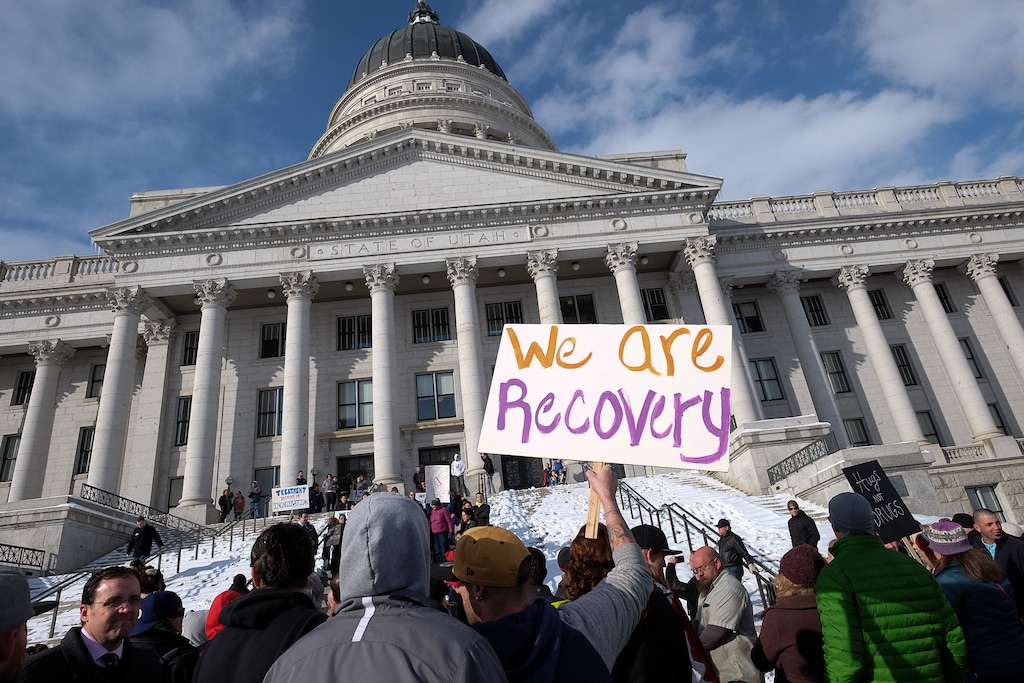
What began as one family’s sincere attempt to help someone we loved has introduced me to countless Utahns carrying versions of the same story. They have taught me that recovery is rarely a straight line. It may include medication through prescriptions like Suboxene or medical cannabis, residential treatment, therapy, peer support, faith, abstinence or several approaches over time. The right next step is the one that helps a person stay alive, regain stability and remain connected to care.
Utah families need us to understand that. State health officials estimate that 11 Utahns die from drug overdose each week. Each death leaves parents, siblings, partners, children and friends wondering what they missed or what they might have done differently.
Shame cannot be our response.
Harm reduction recognizes that people have to be alive to recover. It can include naloxone, medication for opioid use disorder, safer-use education, mental health care and a trusted person who listens without condemnation. These measures are practical tools that reduce immediate danger and preserve the possibility of healing.
My work in Utah’s medical cannabis community has widened my perspective further. I have met patients who say cannabis helps them manage chronic pain or reduce their reliance on other substances and medications. Cannabis is not appropriate for everyone, and it should never be treated as a cure-all. Research is still developing, and treatment decisions should involve qualified medical professionals. Yet we should be able to consider those experiences with curiosity and care instead of dismissing them because it is not a total abstinence recovery story.
Utah can make room for more than one credible path without lowering its standards for treatment or safety. We can demand good research, responsible medical guidance and meaningful accountability while recognizing that different people may need different tools.
Families can start by learning how to recognize an overdose, keeping naloxone available and becoming familiar with evidence-based treatments before a crisis occurs. Health care providers and recovery organizations can examine whether their language or policies make people feel welcome or ashamed. Faith leaders and community organizations can use their influence to replace whispers with honest conversations. Policymakers can improve access to treatment and harm-reduction services throughout the state, including rural communities where resources remain scarce.
We should also listen to people in recovery. Too often, we design programs and policies around them without making enough room for their voices. Their lived experience can show us where systems create barriers and what kinds of support actually help people continue.
I cannot change the path my brother’s life took. I can change how I respond to the next person who is trying to survive. So can every Utahn. Collectively, we can keep the door open long enough for them to walk through it.
(Michelle Church) Michelle Church is a Utah harm-reduction advocate, the founder of A Light to Remember and the director of marketing at Dragonfly Wellness.
Michelle Church is a Utah harm-reduction advocate, the founder of A Light to Remember and the director of marketing at Dragonfly Wellness.
The Salt Lake Tribune is committed to creating a space where Utahns can share ideas, perspectives and solutions that move our state forward. We rely on your insight to do this. Find out how to share your opinion here, and email us at voices@sltrib.com.