Often, we don’t pay attention to workplace and societal issues until we begin experiencing them ourselves. And then we do.
Workplace bullying is widespread, with the latest national data showing that 32.3% of U.S. adults — about 52.2 million workers — have been directly bullied at work, and an additional 22.6 million have witnessed it. That is not just concerning, it is an epidemic.
These numbers make one thing clear: Workplace bullying isn’t rare or random — it’s a widespread problem touching millions across roles, sectors and organizations.
Many people, including myself, have not fully understood what bullying actually includes. According to StopBullying.gov, bullying is repeated, harmful behavior rooted in a power imbalance — where one person uses status, influence or control to intimidate, undermine or harm someone else. It can be physical, verbal, relational or digital, and it includes actions such as threats, humiliation, spreading rumors, persistent criticism, exclusion or any pattern of behavior meant to control or destabilize a target.
For years, I didn’t see my own experience as “bullying.” It felt too extreme, too dramatic, too far from how I understood myself and my work. And because almost everyone around me was kind, supportive and encouraging, I convinced myself the problem couldn’t be what it felt like.
This was reinforced by the fact that the person at the center of the issue could be warm, generous and even wonderful to those who didn’t challenge him or whose work naturally aligned with what he wanted. But one person — and one person alone — held enough positional and relational power to create a hostile environment that affected not just me, but many others as well. I knew I had been threatened, retaliated against and worn down physically and emotionally, yet I still didn’t have language for what was happening.
That changed last summer at a large academic conference in Denmark. I wandered into a session on unhealthy work environments where participants rotated between small tables hosted by scholars. At one table, I ended up alone with two researchers who gently asked why I had chosen that topic. I deflected at first, talking about A Bolder Way Forward and the need to help others in these situations. They pressed a bit, and I reluctantly shared a few minutes of my own story. When I finished, I asked, almost academically, “So what do you think I’ve been experiencing?” One of the scholars placed a hand on my arm and said quietly, “Susan, you have been bullied for years.” His words stunned me. In that moment, the fog lifted — not because the behavior changed, but because I finally had a name for it.
That clarity helped me understand not only the toll it had taken on my health and confidence, but also why I stayed as long as I did: Power imbalances keep people silent, hopeful and stuck — even when the harm comes from a single individual in an otherwise supportive community.
And those dynamics are at the core of workplace bullying.
I recently published an article in Forbes titled “Toxic Bosses Are Making Employees Sick — and the Evidence Is Impossible To Ignore,” in which I argued that toxic bosses — and the fear‑based cultures they create — are not only bad for business overall but also directly harm employees’ mental and physical health, with research showing clear links between abusive supervision, chronic stress, burnout and increased healthcare use. That research resonated deeply with me because my own health had deteriorated in ways that were impossible to overlook, and I struggled to accept that one person in a workplace could have that much influence over my life.
I wrote that piece to make sense of my own experience. In quiet conversations, I learned that others had endured similar treatment. They coped by keeping their heads down and avoiding this person at all costs. And the question that kept surfacing — for them and for me — was the same: Why did any of us stay?
The answer lies in the power this individual held over funding, resources and even employment decisions.
As someone committed to advancing the lives of girls and women in Utah, I was ashamed to acknowledge that one man’s control over resources left me feeling trapped. I kept questioning myself — wondering whether I should have stayed quieter, taken up less space or avoided drawing attention. But the very work I am called to do, and the support it generated, also made me a target.
But I’ve recently realized something important: It wasn’t me. I was doing what was right, and naming the experience has given me both a compass and a deeper empathy for others who are navigating similar harm.
In my own self‑examination, I also recognize that most of us — including me — can do better. We can be kinder, more patient, more aware of how our words and actions land. And we must acknowledge that any of us, at times, can slip into behaviors that edge toward bullying if we are not intentional.
But the responsibility for change cannot rest solely on individuals. We must transform our organizational cultures so that bullying is not tolerated, minimized or excused — and so that those who rely on power and intimidation to maintain control no longer have the space to operate. We must build workplaces where dignity is the norm, not the exception.
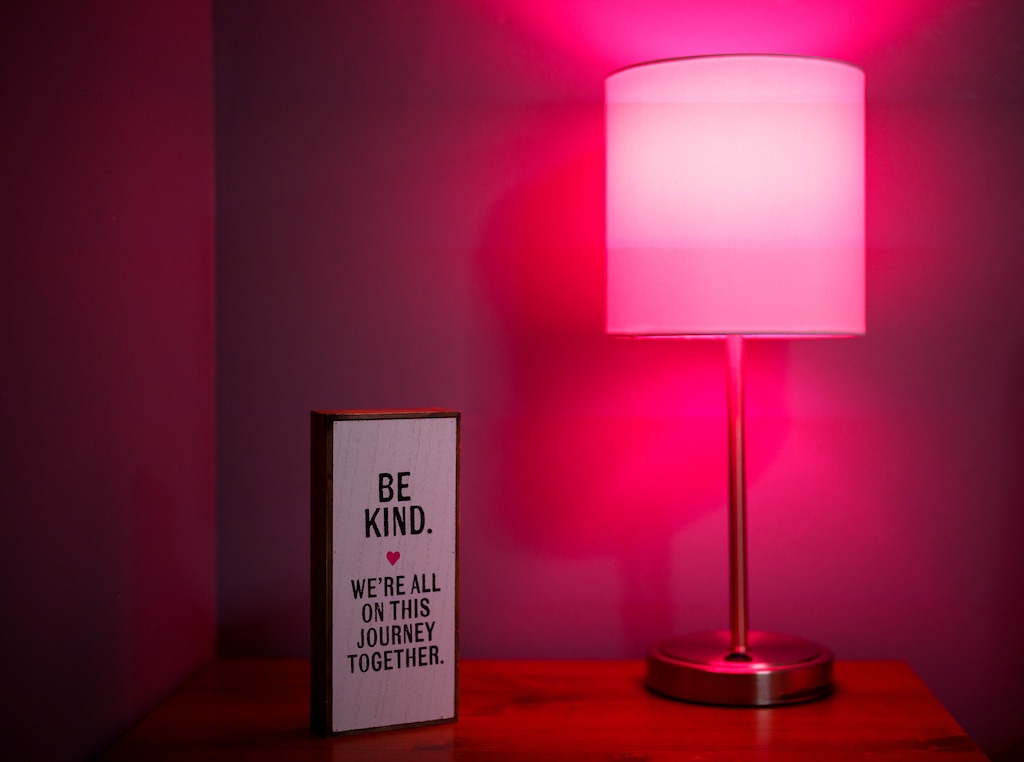
We must be kinder. We must be better. And we must refuse to look away.
Susan R. Madsen
Susan R. Madsen, Ed.D., is the Extension Professor of Leadership & Director, Utah Women & Leadership Project, Utah State University. She is also a women and leadership global thought leader, author and speaker.
The Salt Lake Tribune is committed to creating a space where Utahns can share ideas, perspectives and solutions that move our state forward. We rely on your insight to do this. Find out how to share your opinion here, and email us at voices@sltrib.com.